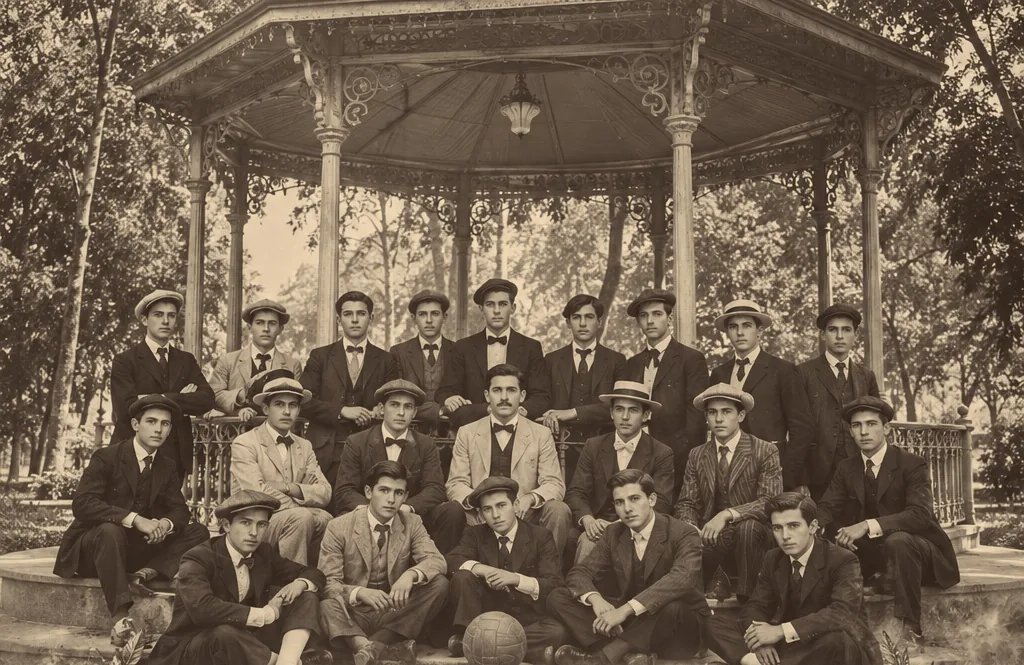
Chronicle 001 of 365
The sale that never happened
Seu Álvaro knows exactly what doesn’t sell. His customers disagree.
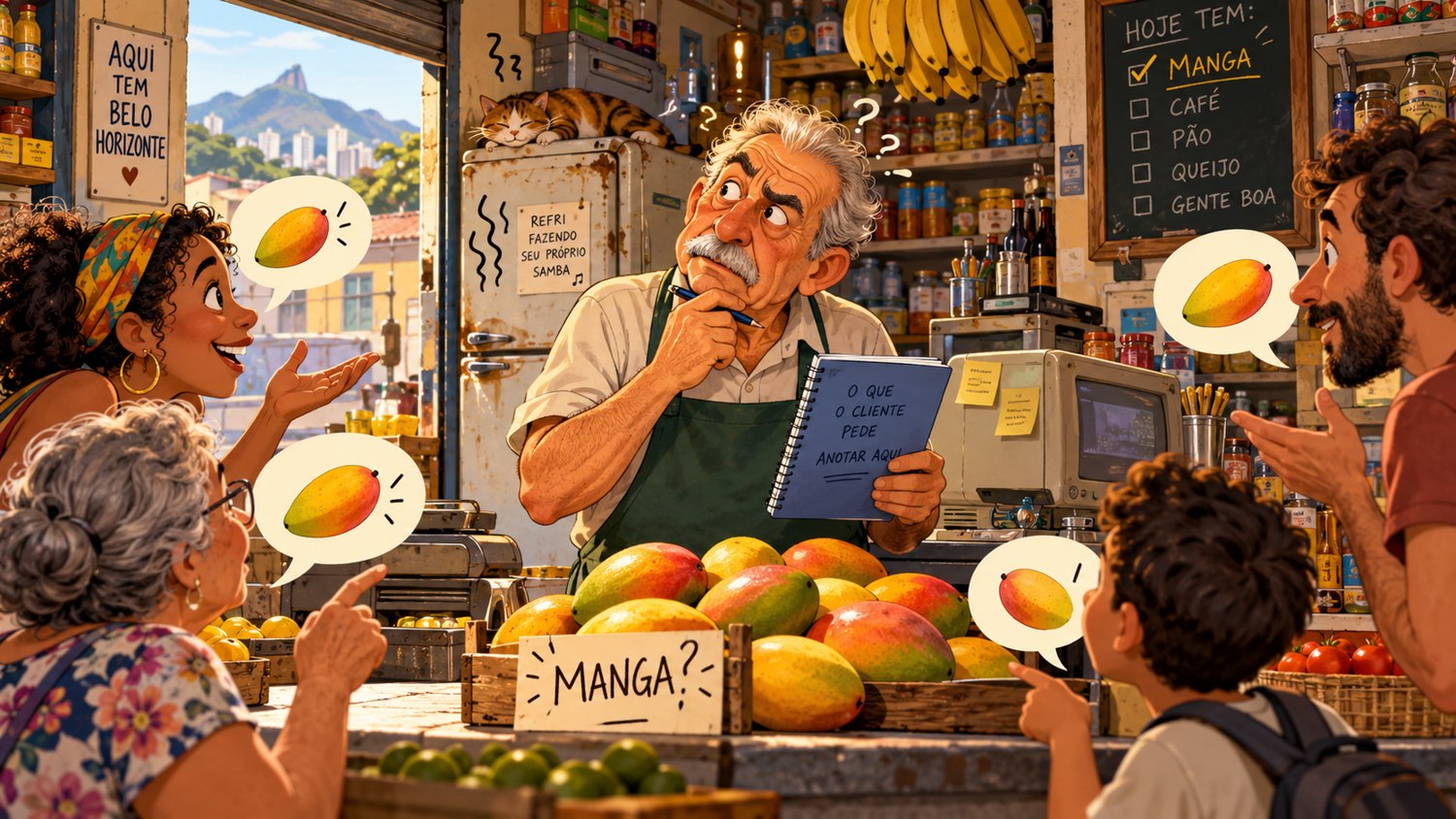
Seu Álvaro ran a small grocery in Belo Horizonte, the kind where the owner knows the customer’s name, the customer knows the owner’s family, and both know perfectly well who owes money, though they prefer not to bring it up.
The shop was called Mercado Ideal.
It was a curious choice of name, because nothing in there was particularly ideal.
The fridge made the noise of a motorcycle climbing a hill. The scale needed the occasional tap to work. And the computer, bought by his son three years earlier, was used mostly to print receipts and play solitaire.
Seu Álvaro trusted the computer.
Or at least he trusted what it said when it agreed with Seu Álvaro.
One Tuesday, a lady came into the shop.
“Do you have mangoes?”
“No, ma’am.”
“And tomorrow?”
“Not tomorrow either.”
“How do you know?”
“Because I don’t carry mangoes.”
The lady thanked him and left.
The next day, another customer asked:
“Any mangoes?”
“No.”
“What a shame.”
Seu Álvaro did not find it a shame at all. He went on stacking boxes of laundry detergent.
On Friday, a young man showed up.
“Sir, do you have ripe mangoes?”
“Did you all plan this?”
“Plan what?”
“Nothing. I don’t have any.”
The young man left.
Seu Álvaro began to suspect a conspiracy involving tropical fruit.
On Sunday, his grandson came for lunch. He was studying something to do with computers, numbers and an English name his grandfather could never pronounce.
“Grandpa, how are sales?”
“Good.”
“How good?”
“Good, that’s how.”
“But are they going up or down?”
“Depends on the day.”
“And compared with last month?”
“Did you come for lunch or for an audit?”
The grandson decided to wait for dessert.
Afterwards, he asked to look at the shop’s system.
He discovered that his grandfather had sales reports, inventory control, price history and charts that had never been opened.
“Grandpa, why don’t you sell mangoes?”
“Because mangoes don’t sell here.”
“How do you know?”
“Because I’ve never sold one.”
The young man fell silent.
“But have you ever put mangoes out for sale?”
“No.”
“Then how do you know they don’t sell?”
Seu Álvaro thought about it.
He thought some more.
“You’re studying too much.”
The grandson pulled up a chair.
“Shall we try an experiment?”
“How much will it cost?”
“A notebook.”
“Already expensive.”
They bought a notebook with a blue cover.
On the first page, they wrote:
PRODUCTS PEOPLE LOOK FOR AND DON’T FIND.
Seu Álvaro found the title excessive.
“Just write ‘Missing,’ boy.”
And so the Mercado Ideal intelligence department was born.
For two weeks, every time someone asked for a product the shop didn’t have, Seu Álvaro wrote it down.
Mangoes.
Coconut water.
Lactose-free milk.
Mangoes again.
Ripe mangoes.
Green mangoes.
Mangoes, it turned out, had a clientele Seu Álvaro knew nothing about.
“This fruit is trying to tell me something,” he remarked.
The grandson suggested buying a small batch and giving it a try.
Seu Álvaro bought some.
He sold almost all of them.
The following week, he adjusted the order, watching what sold and what went bad.
He did not get rich.
He did not open a second store.
He was not invited to speak about innovation at any conference.
But he began to understand something the computer had never told him.
The system recorded every sale that happened.
None of the sales that were lost.
It was an impeccable system for explaining what had happened inside the shop and practically useless for understanding what was happening in the heads of the people who walked in.
“Grandpa, you’re doing data analysis.”
“I’m doing what?”
“Data analysis.”
“I’m listening to my customers.”
“It’s similar.”
“Then why did they invent another name for it?”
The grandson tried to explain the difference between signal, data, information and evidence.
Seu Álvaro listened patiently.
Then he asked:
“And you needed a university to find out I should write down what people ask for?”
“No, Grandpa.”
“Good.”
But the story did not end with the mangoes.
One day, Seu Álvaro noticed that some people came in, asked the price of a product and left without buying.
Before, he had put it down to lack of money or simple curiosity.
Now he suspected it might have something to do with the price.
The grandson explained that a suspicion was a hypothesis, not a conclusion.
“So now, on top of writing things down, I have to suspect properly?”
“Exactly.”
Seu Álvaro looked at the blue notebook.
There were already enough notes in it for several questions.
But no guarantee of answers.
He found that very much like life.
The next morning, a lady came into the shop.
“Do you have mangoes?”
“I do.”
“Are they ripe?”
“I have ripe and green.”
“How much?”
Seu Álvaro told her the price.
The lady made a disapproving face and left.
He opened the blue notebook.
He wrote:
Mango. Thought it was expensive.
He sat looking at the note.
Then he crossed it out.
He wrote again:
Mango. Asked the price. Didn’t buy. Reason unknown.
Seu Álvaro closed the notebook, satisfied.
For the first time in his life, he had recorded a piece of information without inventing the explanation.
And, although he didn’t know it, he was beginning to think like a scientist.